In the subtle science of yoga, breath is far more than a biological function; it is a sacred bridge
between the physical and the energetic, the visible and the invisible. Breath is the primary
vehicle through which prana, the vital life force, flows into and through us.
While modern science describes breathing as the exchange of oxygen and carbon dioxide, the
the yogic perspective goes deeper. Every inhalation is an invitation for prana to enter, a new, fresh
breath; every exhalation is a release of the old, clearing the way for the next inhale. Breath is not
just sustaining life; it is enlivening it.
What is Prana?
Prana is the universal life energy that permeates everything. It exists in the air, sunlight, water,
food, and even in our thoughts. In the human body, prana governs all movement in the physical,
mental, and emotional. It fuels digestion, circulation, perception, and awareness.
Without prana, there is no vitality. With balanced prana, there is clarity, health, and harmony.
Breath as the Carrier
Among all the sources of prana, breath is the most immediate and accessible. Unlike food or
sunlight, which we receive intermittently, is breath, a constant and ever-present flow of energy
exchange.
Nevertheless, most of us breathe unconsciously, shallowly, and irregularly. In doing so, we limit not only
our oxygen intake but also the flow of prana within us.
When breath becomes conscious, something profound happens:
• The mind begins to settle
• The nervous system relaxes
• Energy channels (nadis) begin to clear
• Awareness deepens
A slow, deep, rhythmic breath carries prana more efficiently, nourishing every cell and subtle
pathway.
The Quality of Breath, The Quality of Life
There is a direct relationship between how we breathe and how we experience life.
• Shallow breath often accompanies anxiety, distraction, and fatigue
• Erratic breath reflects emotional turbulence
• Deep, steady breath cultivates calm, focus, and resilience. By refining the breath, we refine the flow of prana and, in turn, our inner state.
Breath and the Mind
In yogic understanding, breath and mind are intimately linked. Where the breath goes, the mind
follows.
The breath becomes irregular when the mind is restless. If the breath is regulated, the mind begins to
quiet.
This is why practices like pranayama (energy conduct) are so powerful. They are not merely
breathing exercises are methods of directing prana and stabilizing consciousness.
Even a few minutes of conscious breathing can:
• Reduce stress
• Increase mental clarity
• Restore emotional balance
• Deepen meditation
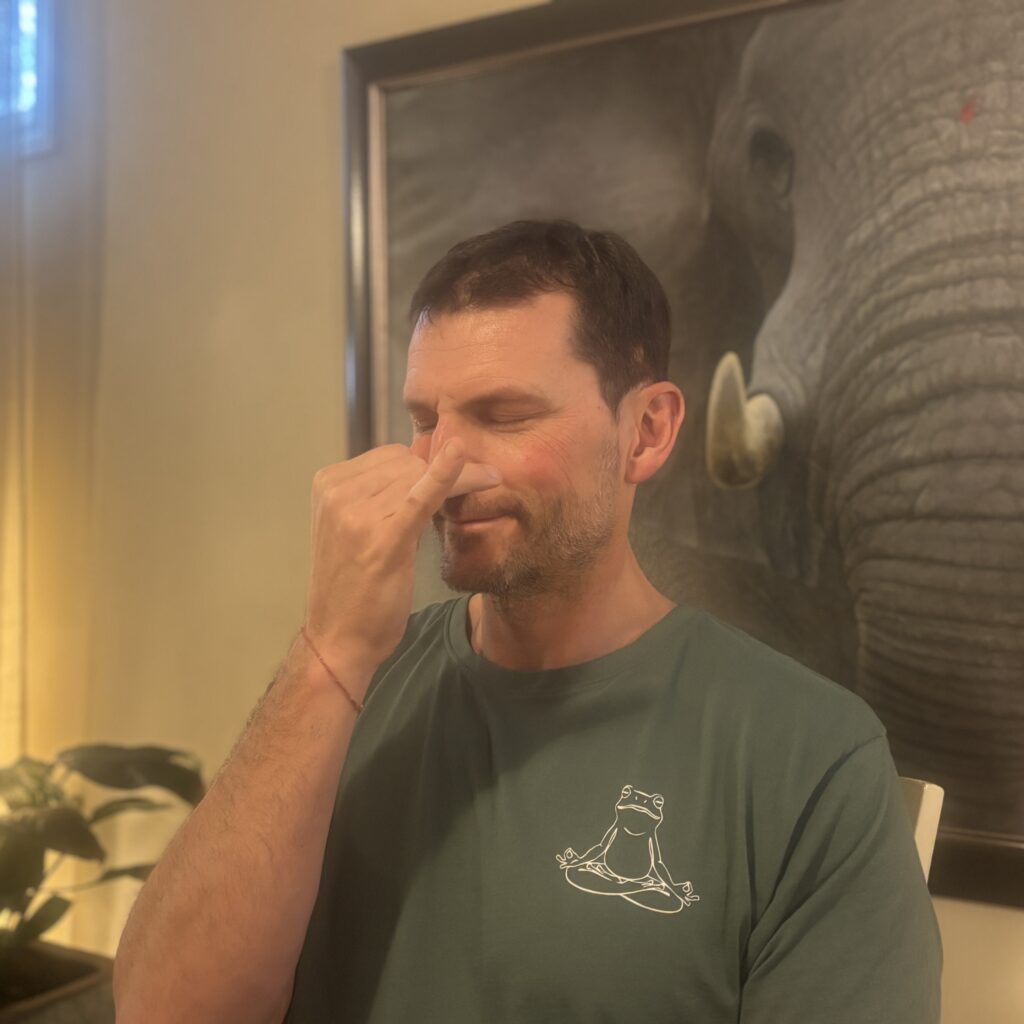
Simple Practice: Awakening Prana Through Breath
Take a moment now:
1. Sit comfortably with your spine upright
2. Close your eyes gently
3. Inhale slowly through the nose, allowing the belly to expand
4. Exhale softly, letting the body relax
5. Continue for a few minutes, simply observing the breath
Don’t judge or edit the breath. Don’t have expectations for how long or deep the breath should be. Allow the breath to be as it is, and observe what happens as it naturally regulates. This will take time but is worth the practice, patience, and perseverance.
As you do these exercises, notice not just the air but the subtle energy moving with it. Feel how each inhale
brings vitality, and each exhale releases tension. This is prana in motion.
Living with Awareness of Breath
When we begin to honor the breath as a carrier of prana, everyday life transforms into a practice.
Walking becomes rhythmic. Speaking becomes intentional. Listening becomes deeper. Even
moments of stillness become infused with quiet energy.
We no longer take breath for granted; we relate to it as a source of nourishment, guidance, and
connection.
The Blessing of our Breath
Breath is always with us—steady, patient, and generous. It asks for nothing yet provides everything.
To become aware of the breath is to become aware of life itself.
And to consciously breathe is to consciously receive prana the very essence that sustains, heals,
and awakens us.